FMVSS 581 Bumper Standard: NHTSA Rule History and Dates
The chunky, protruding bumpers of 1970s American cars weren't a styling choice — they were a direct response to federal regulation. Understanding the history of Federal Motor Vehicle Safety Standard No. 581 explains why bumpers evolved from chrome accent pieces to engineered safety components, and why they changed again in the 1980s.
This article provides the precise regulatory timeline that automotive historians, restorers, and enthusiasts need to understand bumper design evolution.
What Is FMVSS 581?
Federal Motor Vehicle Safety Standard No. 581, officially titled "Bumper Standard," is a U.S. federal regulation promulgated by the National Highway Traffic Safety Administration (NHTSA) under the Department of Transportation. Unlike most FMVSS regulations that focus on occupant protection during crashes, FMVSS 581 was designed primarily to reduce vehicle damage and repair costs in low-speed collisions.
The standard establishes performance requirements for bumpers, specifying that they must prevent damage to safety-related components and minimize damage to the vehicle's body structure during minor impacts.
Regulatory Timeline: Key Dates
The development and implementation of FMVSS 581 followed a multi-year regulatory process:
Initial Rulemaking (1971)
- • Final Rule Publication: The final rule establishing FMVSS 581 was published in the Federal Register in 1971
- • Regulatory Authority: National Highway Traffic Safety Administration (NHTSA), Department of Transportation
- • Legal Basis: National Traffic and Motor Vehicle Safety Act of 1966
Compliance Dates by Vehicle Class
- • Passenger Cars: Compliance required beginning model year 1973
- • Light Trucks: Compliance required beginning model year 1974
- • Weight Limit: Applies to vehicles with gross vehicle weight rating (GVWR) up to 10,000 lb (4,536 kg)
The 5 MPH Era (1973-1982)
The original FMVSS 581 established what became known as the "5 mph bumper" requirement:
- • Front Bumper: Must withstand 5 mph barrier impact without damage to safety equipment
- • Rear Bumper: Must withstand 5 mph barrier impact
- • Corner Impacts: 3 mph pendulum test at corner angles
- • No Damage Criteria: Safety systems (lights, fuel system, hood/trunk latches) must remain functional; no damage to body panels beyond the bumper system itself
This strict standard forced manufacturers to develop heavy, protruding bumper systems — often adding 200-300 lb to vehicle weight and significantly affecting front and rear styling.
Technical Test Requirements
FMVSS 581 specifies precise test procedures that bumpers must pass. The current requirements, codified in 49 CFR Part 581, include:
Barrier Impact Tests
- • Longitudinal (front/rear): Vehicle propelled into fixed barrier
- • Impact Speed: Currently 2.5 mph (was 5 mph until 1982)
- • Bumper Height: Test device contacts bumper between 16-20 inches above ground
Pendulum Tests
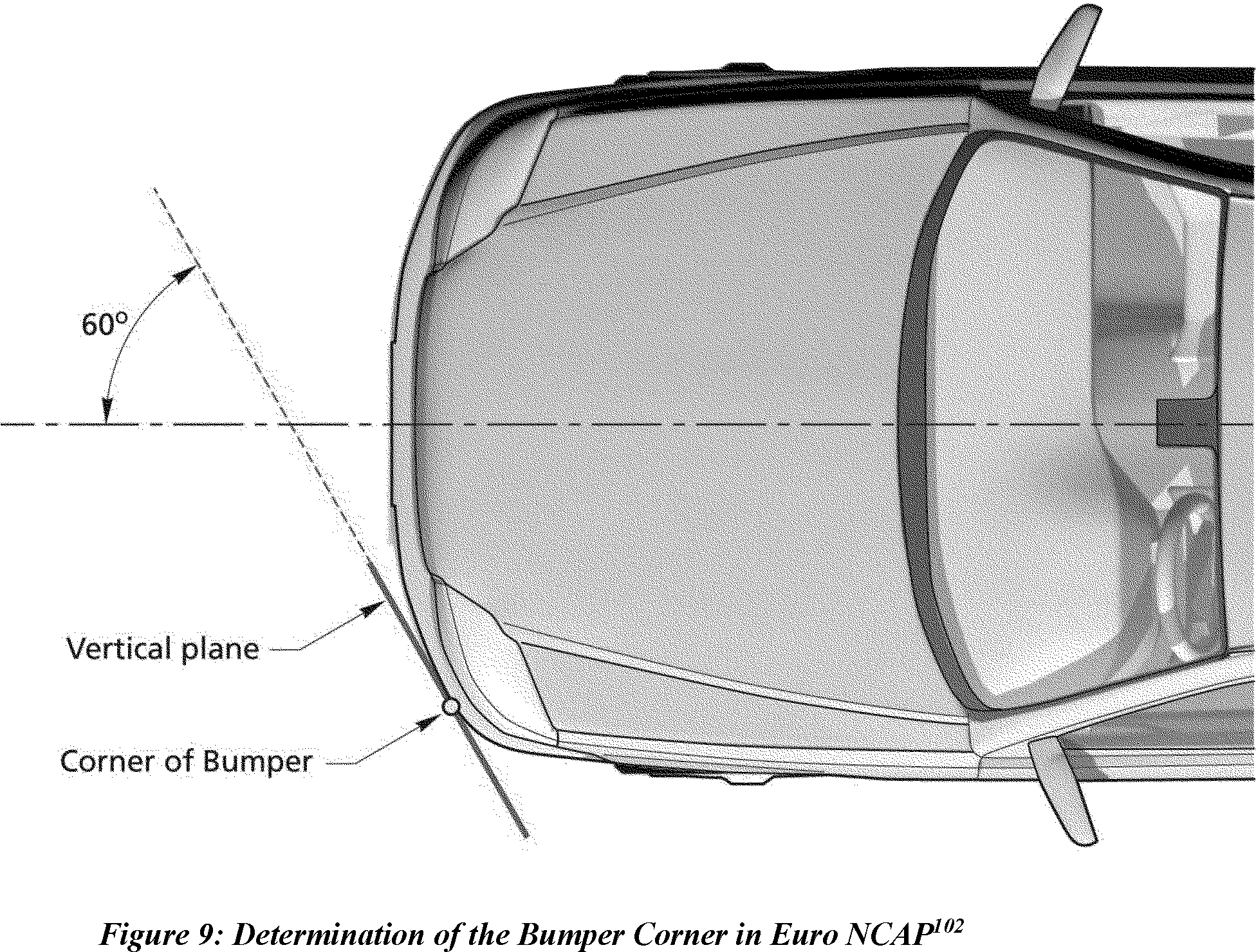
- • Corner Impacts: Pendulum strikes bumper corners at specified angles
- • Impact Speed: Currently 1.5 mph (was 3 mph under original standard)
- • Angle: 60 degrees from longitudinal axis
Damage Criteria
After testing, the following must remain undamaged and functional:
- • Headlamps, tail lamps, and all required lighting
- • Fuel and cooling systems (no leaks)
- • Exhaust system
- • Hood and trunk latches
- • Vehicle doors
- • Propulsion, suspension, and steering systems
The 1982 Amendment: Reducing Requirements
In a significant regulatory reversal, NHTSA amended FMVSS 581 in 1982, reducing the impact speed requirements:
Changes Implemented
- • Barrier Impact: Reduced from 5 mph to 2.5 mph
- • Pendulum Impact: Reduced from 3 mph to 1.5 mph
- • Effective Date: Model year 1983 and later
Rationale for Reduction
The Reagan administration's regulatory review determined that:
- • The weight penalty (150-300 lb per vehicle) increased fuel consumption
- • Consumer repair costs weren't significantly reduced because many crashes exceeded 5 mph
- • European vehicles used lighter bumper systems with comparable real-world performance
- • Insurance industry data didn't show expected repair cost reductions
This amendment explains why 1983 and later vehicles returned to more integrated, lighter bumper designs — and why vintage car enthusiasts often note the dramatic styling difference between pre-1983 and post-1983 bumpers.
Vehicle Classes Covered
FMVSS 581 applicability has specific boundaries:
Covered Vehicles
- • Passenger automobiles (sedans, coupes, wagons, convertibles)
- • Multipurpose passenger vehicles under 6,000 lb GVWR
- • Light trucks up to 10,000 lb GVWR (with some exemptions)
Exempt Vehicles
- • Motorcycles
- • Heavy trucks over 10,000 lb GVWR
- • Buses
- • Vehicles manufactured for off-road use
- • Walk-in vans
- • Certain specialty vehicles
Subsequent Amendments and Current Status
NHTSA has continued to refine FMVSS 581 through various rulemakings:
Notable Amendments
- • 1990s: Clarifications on test procedures and damage definitions
- • 2000s: Harmonization discussions with international standards
- • Ongoing: Considerations for pedestrian protection (common in EU regulations but not yet integrated into FMVSS 581)
Current Requirements (2025)
The standard remains in effect with the 1982 reduced requirements:
- • 2.5 mph front and rear barrier impacts
- • 1.5 mph corner pendulum impacts
- • Protection of safety-critical systems
- • Bumper height requirements (16-20 inch zone)
For the complete current regulatory text, see 49 CFR Part 581 in the Electronic Code of Federal Regulations.
Impact on Automotive Design
FMVSS 581 fundamentally changed how manufacturers approach bumper design:
1973-1982: The "Big Bumper" Era
- • Heavy steel or aluminum reinforcement beams
- • Energy-absorbing hydraulic or mechanical systems
- • Rubber-faced impact strips
- • Bumpers mounted on telescoping brackets
- • Added 200-300 lb to vehicle weight
- • Distinctive "battering ram" appearance on many models
1983-Present: Integrated Design
- • Plastic fascias covering structural elements
- • Foam or honeycomb energy absorbers
- • Integration with body styling
- • Reduced weight (50-100 lb typical)
- • Pedestrian impact considerations in modern designs
FMVSS 581 vs. International Standards
American bumper standards differ from international requirements:
- • European Union: ECE Regulation 42 focuses primarily on pedestrian protection rather than property damage
- • Canada: CMVSS 215 historically mirrored FMVSS 581 but with some variations
- • Insurance Industry: IIHS conducts separate bumper testing at higher speeds (6 mph) for consumer information
These differences explain why vehicles designed for global markets may have different bumper configurations depending on primary market.
Relevance for Car Customization
Understanding FMVSS 581 matters for anyone modifying bumpers or planning aesthetic changes. When visualizing body kit installations, front lip additions, or bumper swaps, knowing the regulatory context helps ensure modifications remain street-legal. Modern car visualization platforms like CarCustomizer.io allow enthusiasts to preview how bumper modifications will look before committing — essential when planning changes to safety-regulated components.
Conclusion: Regulation Shaped Design
FMVSS 581 provides a clear case study in how federal regulation directly shapes automotive design. The standard's evolution — from the strict 5 mph requirements of 1973 through the 1982 reduction to 2.5 mph — explains the dramatic visual difference between American cars of different eras.
For automotive historians, the key dates are:
- • 1971: Final rule published
- • 1973: Passenger car compliance begins (5 mph)
- • 1974: Light truck compliance begins
- • 1982: Amendment reduces requirements to 2.5 mph
- • 1983: Reduced standards take effect
These regulatory milestones mark the transitions in American bumper design that remain visible on roads and in collections today.